

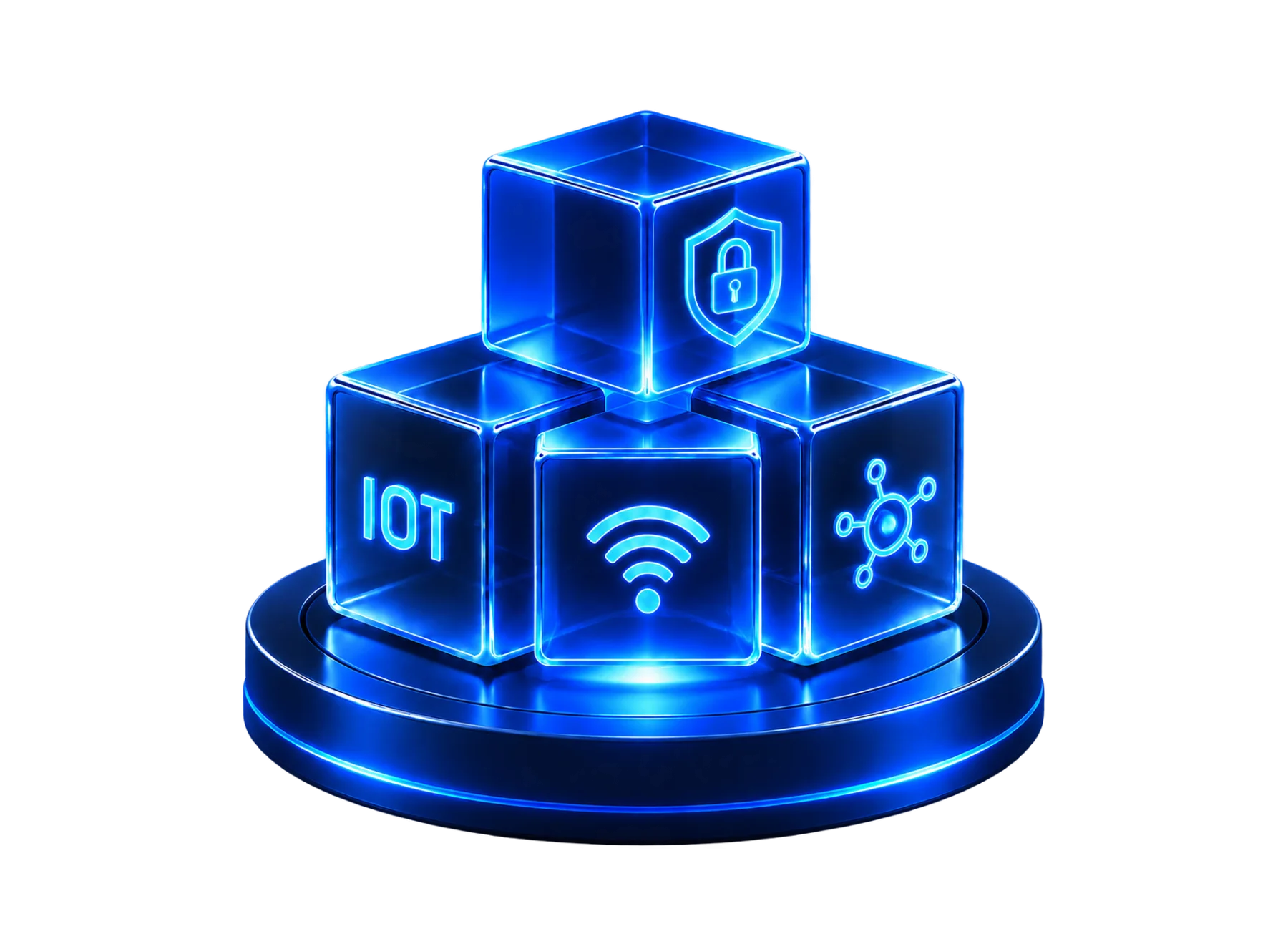
Edge computing is a distributed computing model that processes data closer to its source instead of sending everything to a central cloud or data center.
As connected devices continue to generate huge volumes of data, edge computing helps businesses respond faster, act smarter, and reduce the delays caused by relying only on centralized infrastructure.
Our strategy centers on harnessing the growing in-device computing power to provide deep insights and predictive analysis in near-real time. By adopting a massively decentralized computing architecture, we enable businesses to maintain continuous operations and personalize customer experiences. We focus on migrating significant volumes of computation to the edge to extract the most value from connected devices, using embedded intelligence to influence operational processes for employees and customers more responsively.
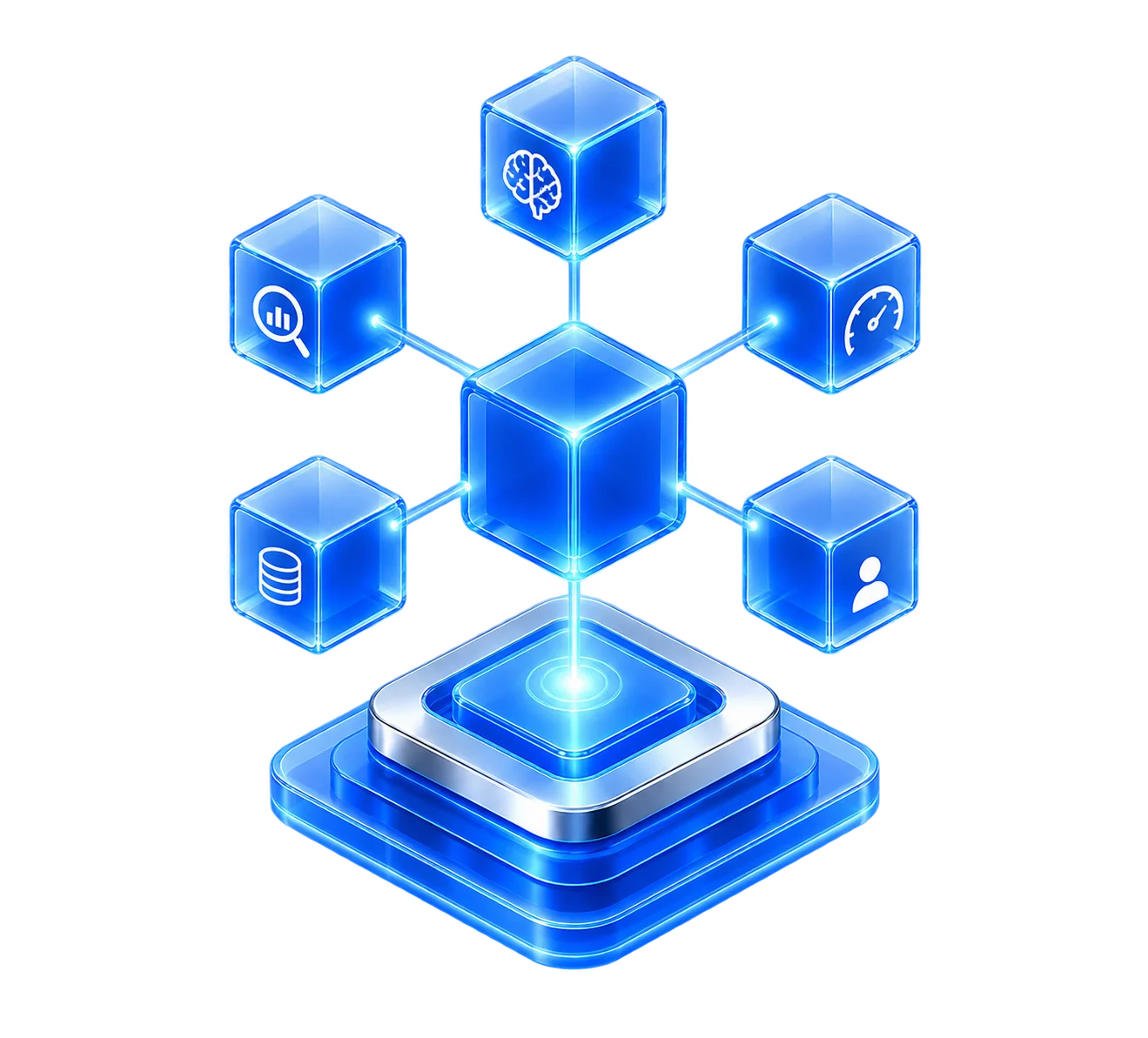
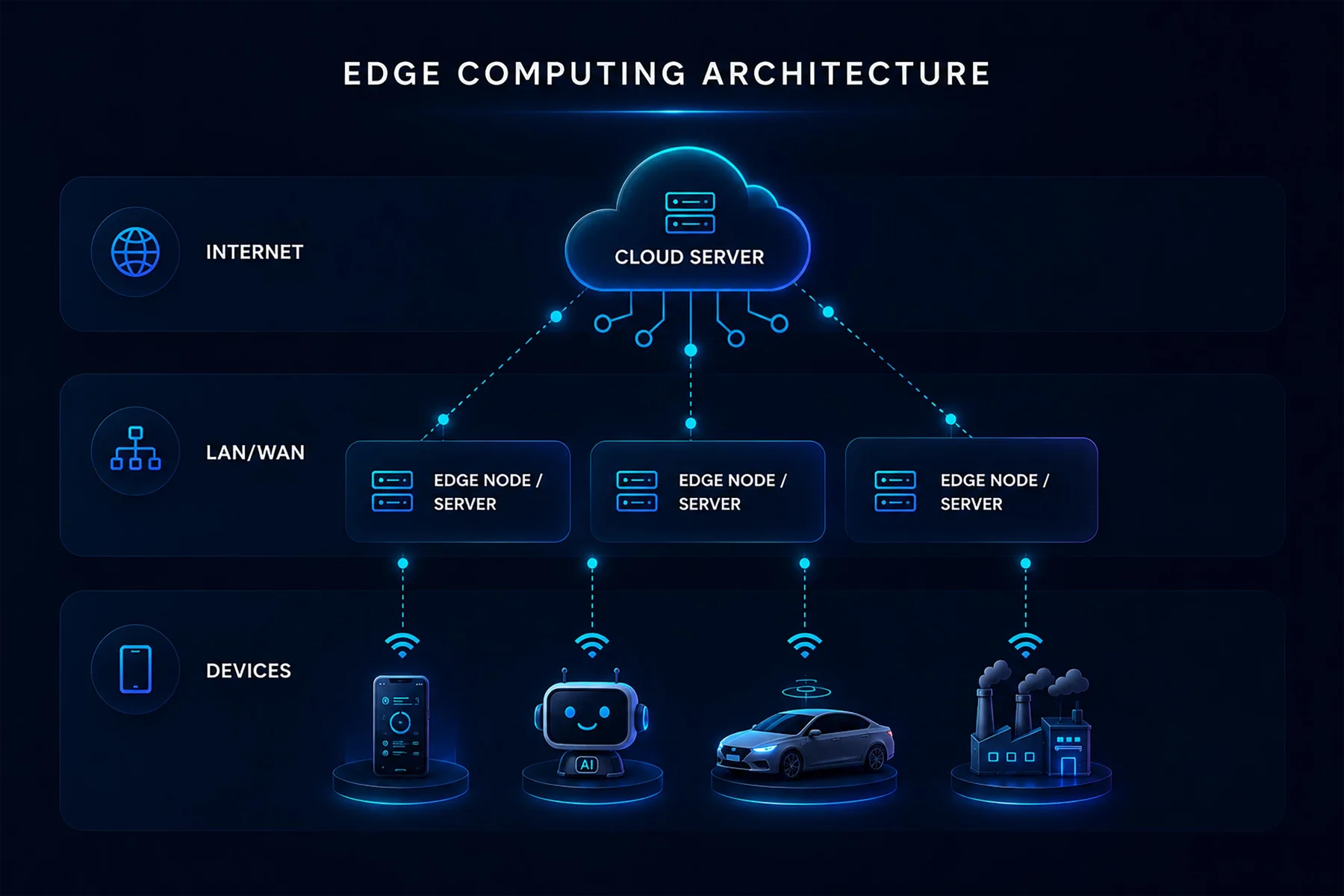
The architecture is structured into three distinct layers to balance local speed with global scale:
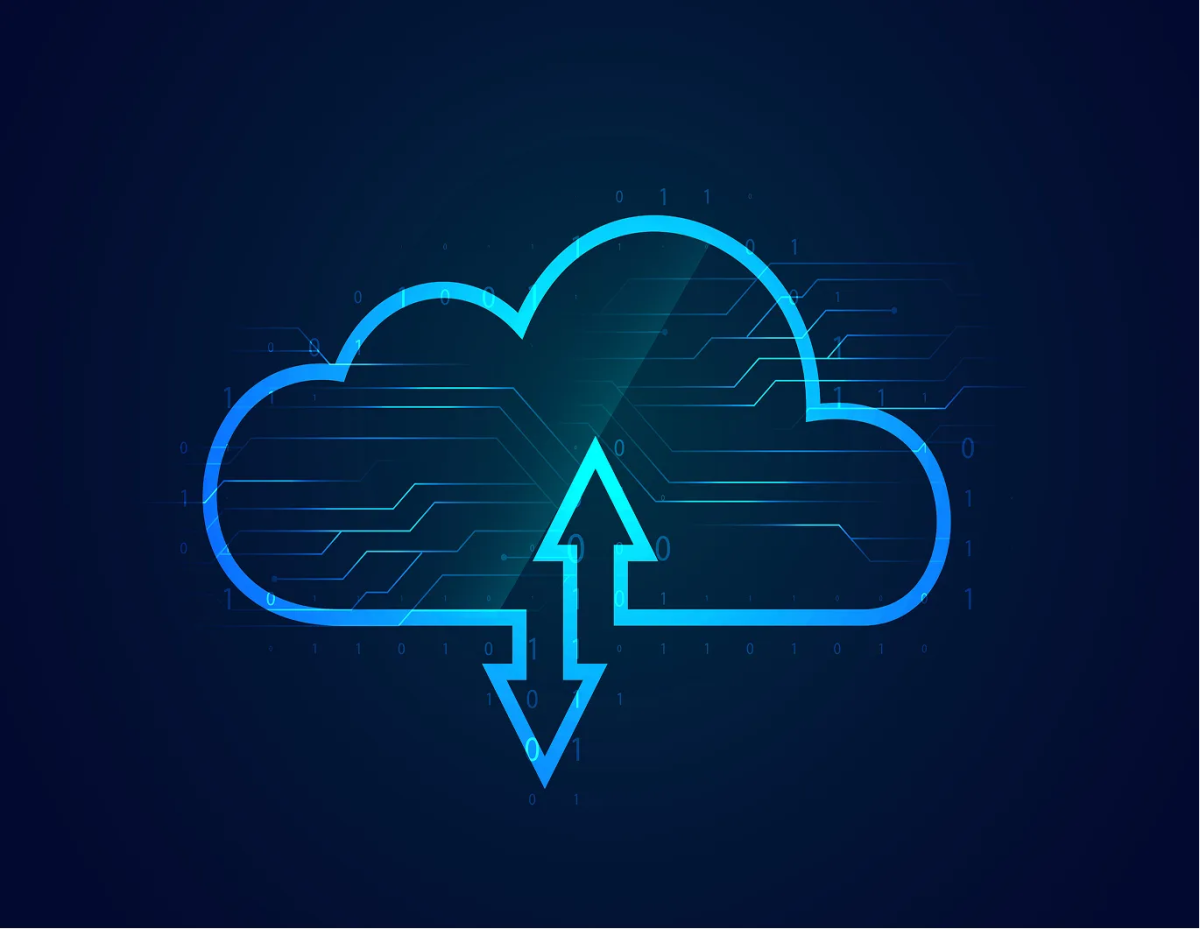
Dedicated to big data processing and long-term data warehousing.
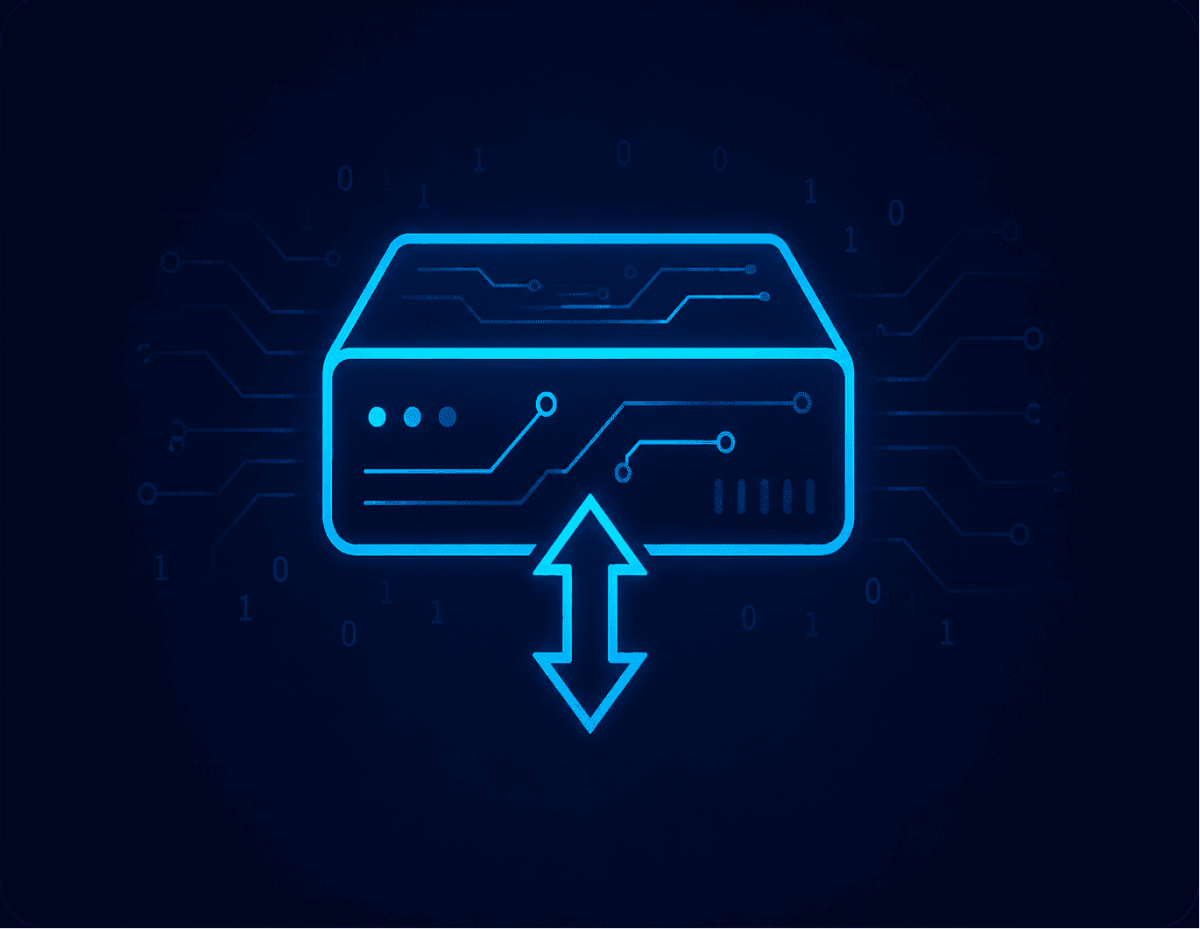
Utilizes local networks and edge nodes for data processing, reduction, caching, buffering, and virtualization.
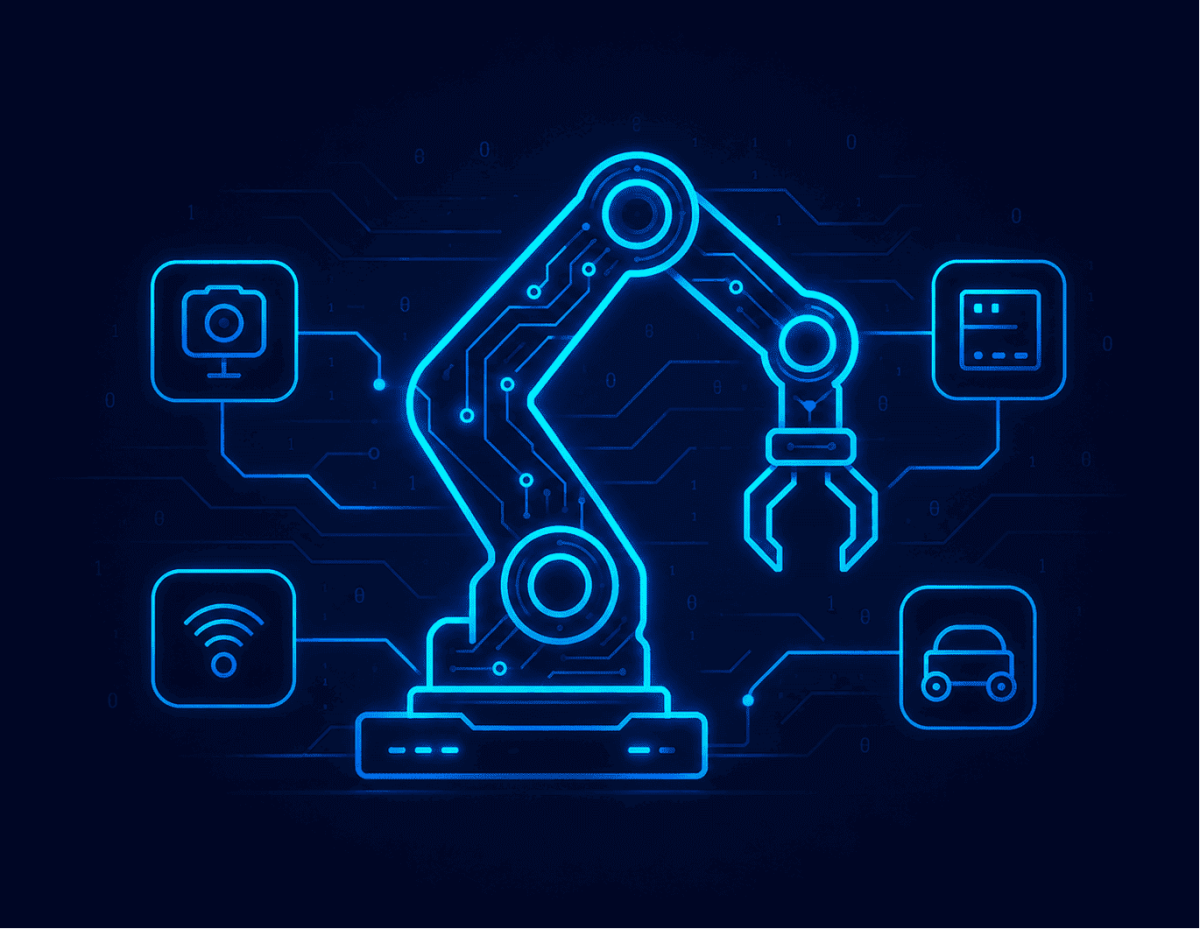
The foundation consisting of sensors and controllers found in devices like factory bots and smart vehicles.
We provide the infrastructure and frameworks necessary to manage modern data complexity:

Leveraging 5G networks to increase the number of connected devices and enable comprehensive data analysis.
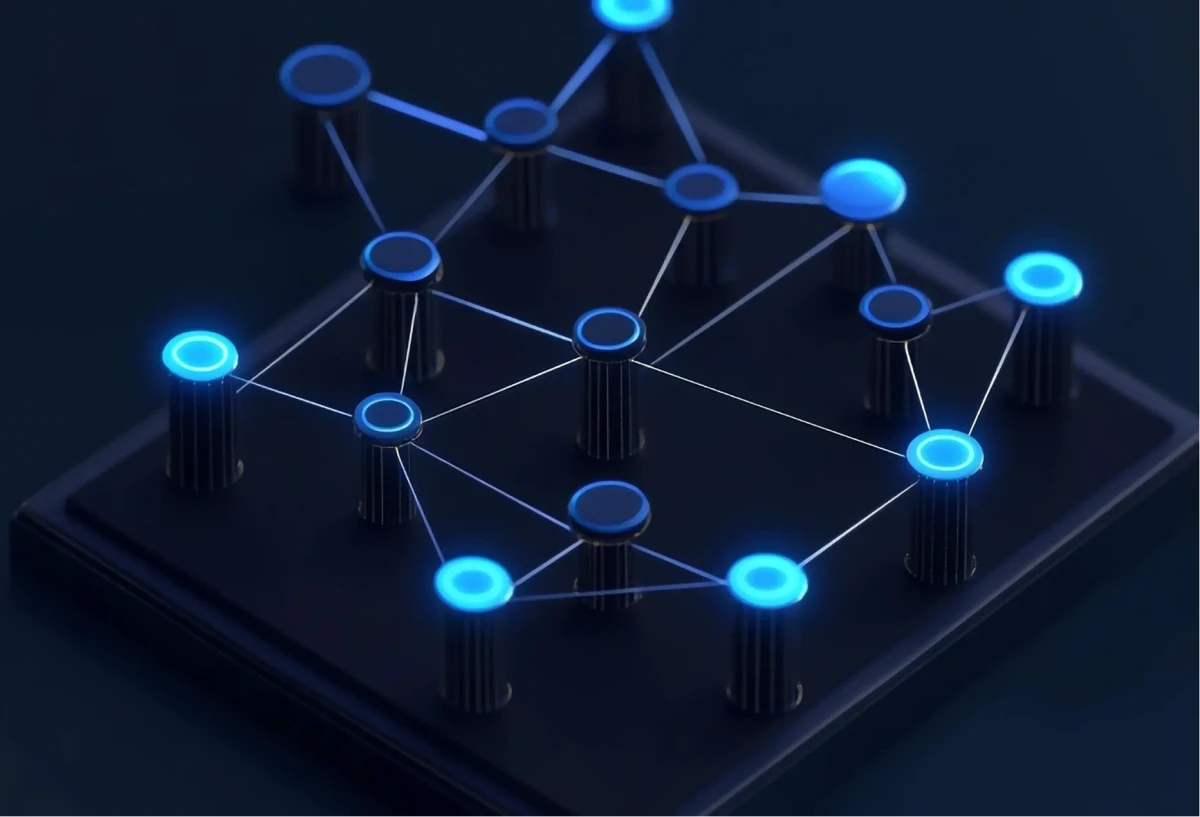
Ensuring data does not have to traverse a network to a distant cloud to be processed, which significantly reduces lag.

Deploying frameworks that effectively manage workloads in the presence of increased compute capacity.
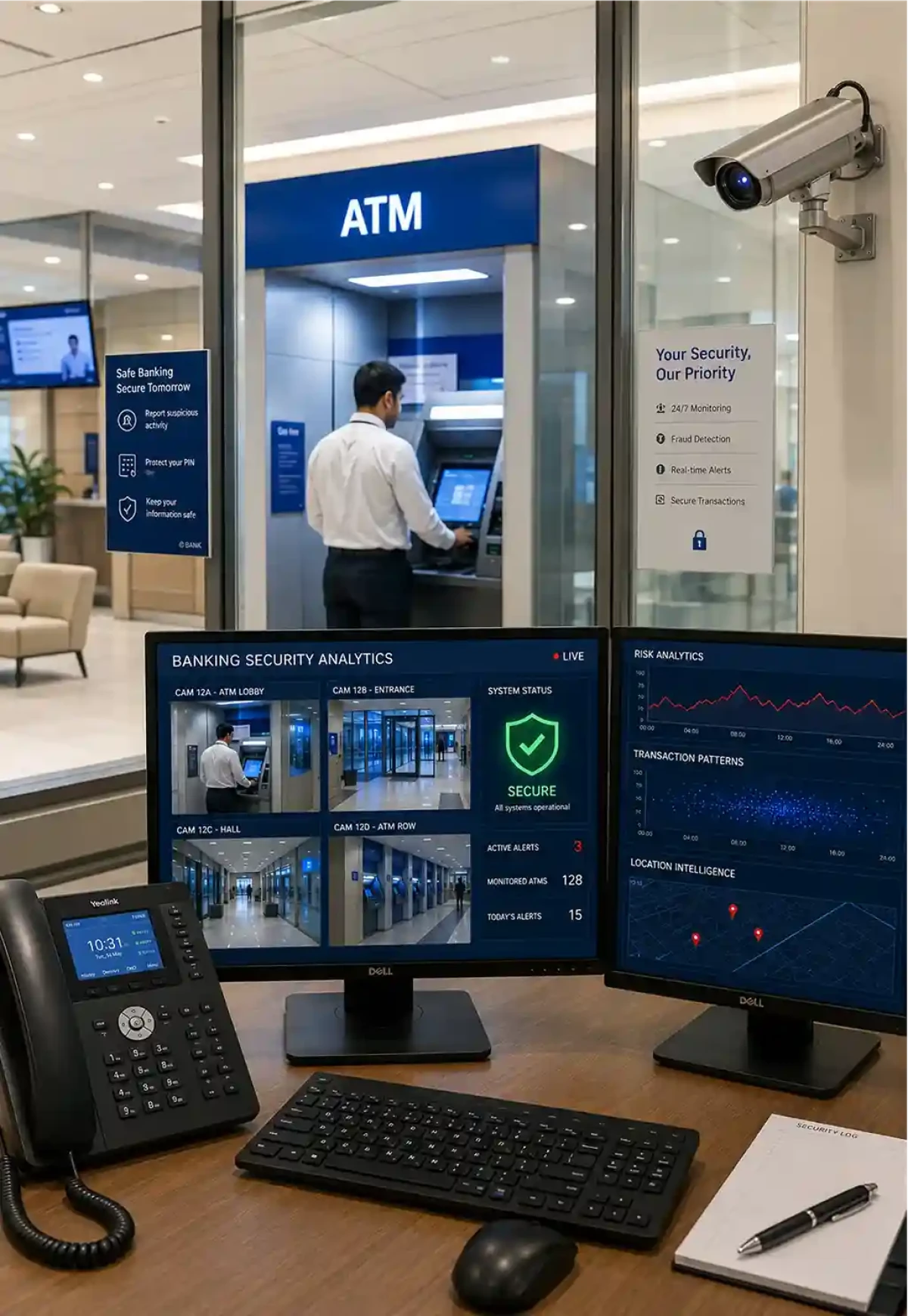
Real-time analysis of ATM video feeds to enhance security

Improve safety, optimize operations, and reduce energy consumption
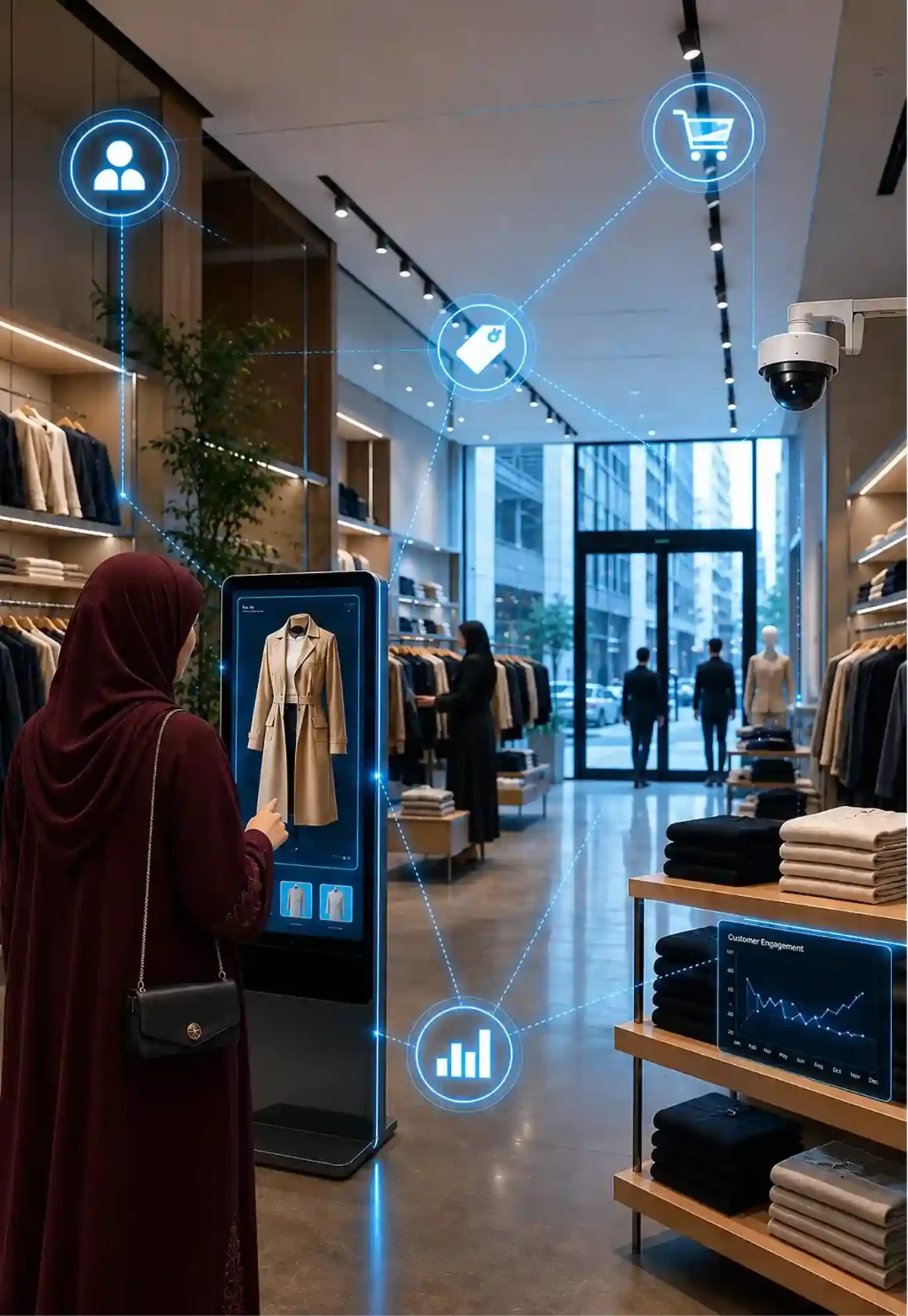
Personalize customer experiences and deliver targeted offers

Enable remote management and continuous operation in low-connectivity environments
Enable real-time processing, faster decisions, and smarter operations at the source.